Shein’s Sustainable Activewear Initiative: Goals 2026
Anúncios
Shein’s sustainable activewear initiative is a strategic move to integrate eco-friendly practices into its production, targeting significant environmental improvements by 2026.
Anúncios
The landscape of fast fashion is constantly evolving, with a growing emphasis on environmental responsibility. In this context, Shein’s Sustainable Activewear Initiative: A Look at Their Goals for 2026 and Beyond marks a pivotal moment, signaling a significant shift towards more conscious production within one of the industry’s giants. This article delves into the specifics of this initiative, exploring its ambitious targets and potential impact.
Understanding Shein’s commitment to sustainability
Shein, a global leader in fast fashion, has often faced scrutiny regarding its environmental footprint. Recognizing the urgency for change, the company has launched a comprehensive sustainable activewear initiative, aiming to integrate more eco-friendly practices across its supply chain. This commitment extends beyond mere rhetoric, setting tangible goals for the coming years.
Anúncios
The initiative is a multi-faceted approach, addressing various stages of production from material sourcing to manufacturing processes. It seeks to balance the demand for affordable, trend-driven activewear with the imperative to reduce environmental impact. This delicate balance is crucial for a brand of Shein’s scale, influencing millions of consumers worldwide.
Key pillars of the initiative
- Material Innovation: Investing in research and development for recycled and bio-based fabrics.
- Supply Chain Transparency: Enhancing visibility into manufacturing practices and material origins.
- Waste Reduction: Implementing strategies to minimize textile waste during production.
- Ethical Labor Practices: Ensuring fair wages and safe working conditions for all employees.
Shein’s sustainable activewear initiative represents a significant step forward, aiming to redefine how fast fashion can operate responsibly. By focusing on these core pillars, the brand hopes to build a more resilient and environmentally conscious future for its activewear lines. The success of these efforts will depend heavily on consistent implementation and continuous innovation.
The ambitious targets for 2026
The year 2026 serves as a critical benchmark for Shein’s sustainable activewear initiative, with several ambitious targets set to be achieved by this time. These goals are designed to be measurable and impactful, reflecting a serious intent to transform their production methods.
One primary goal is to significantly increase the percentage of activewear products made from recycled polyester and other sustainable materials. This involves working closely with suppliers to develop and incorporate innovative fabrics that have a lower environmental footprint. The company aims for a substantial portion of its activewear collection to meet these criteria, moving away from conventional resource-intensive materials.
Reducing environmental footprint
Beyond material sourcing, Shein is also targeting improvements in its manufacturing processes. This includes reducing water consumption and energy usage in factories that produce their activewear. The implementation of more efficient machinery and renewable energy sources where possible are key components of this strategy.
- 50% reduction in water usage for activewear dyeing and finishing processes.
- 25% increase in the use of renewable energy across activewear manufacturing facilities.
- Zero discharge of hazardous chemicals in activewear production by adopting safer alternatives.
These targets underscore a comprehensive approach to sustainability, tackling environmental challenges from multiple angles. The focus on specific metrics for 2026 allows for clear accountability and progress tracking, which is essential for building trust with consumers and stakeholders alike. The commitment signals a long-term vision for sustainable growth.
Innovations in sustainable activewear materials
A cornerstone of Shein’s sustainable activewear initiative is the exploration and adoption of innovative materials. The textile industry is constantly evolving, with new technologies offering more eco-friendly alternatives to traditional fabrics. Shein is actively investing in these innovations to enhance the sustainability of its activewear lines.
Recycled polyester, derived from post-consumer plastic bottles, is a key focus. By utilizing recycled materials, Shein aims to reduce its reliance on virgin petroleum-based resources and divert plastic waste from landfills. This not only conserves natural resources but also reduces the energy consumption associated with producing new polyester fibers.
Beyond recycled options, the initiative also explores bio-based materials and blends that offer performance benefits without compromising environmental values. These include fabrics made from organic cotton, Tencel (lyocell), and other cellulosic fibers derived from sustainably managed forests. Such materials often require less water and fewer pesticides in their cultivation compared to conventional alternatives.
Exploring new fabric technologies
- Recycled nylon: Utilizing waste materials to create durable and flexible activewear.
- Organic cotton blends: Combining comfort with reduced environmental impact in production.
- Bio-based polymers: Developing new materials from renewable plant sources.
- Dyeing innovations: Implementing waterless or low-water dyeing techniques to minimize pollution.
The continuous search for innovative materials is vital for the long-term success of Shein’s sustainable activewear goals. By embracing these advancements, the company can offer high-performance activewear that aligns with consumer demand for both style and environmental responsibility. This commitment to material innovation is a powerful statement about their future direction.
Supply chain transparency and ethical practices
Transparency within the supply chain is a critical component of Shein’s sustainable activewear initiative. Consumers are increasingly demanding to know where and how their clothes are made, and Shein is responding by working towards greater visibility and accountability. This involves mapping out their entire supply chain, from raw material extraction to final product assembly.
The goal is to ensure that every stage of activewear production adheres to strict environmental and ethical standards. This includes regular audits of manufacturing facilities to verify compliance with labor laws, fair wage policies, and safe working conditions. Shein is committed to fostering a supply chain where human rights are respected and workers are treated equitably.
Ensuring fair labor and environmental standards
Establishing strong relationships with suppliers who share their commitment to sustainability is paramount. Shein is implementing programs to educate and support its suppliers in adopting more sustainable practices. This collaborative approach is essential for driving systemic change across the entire activewear production ecosystem.
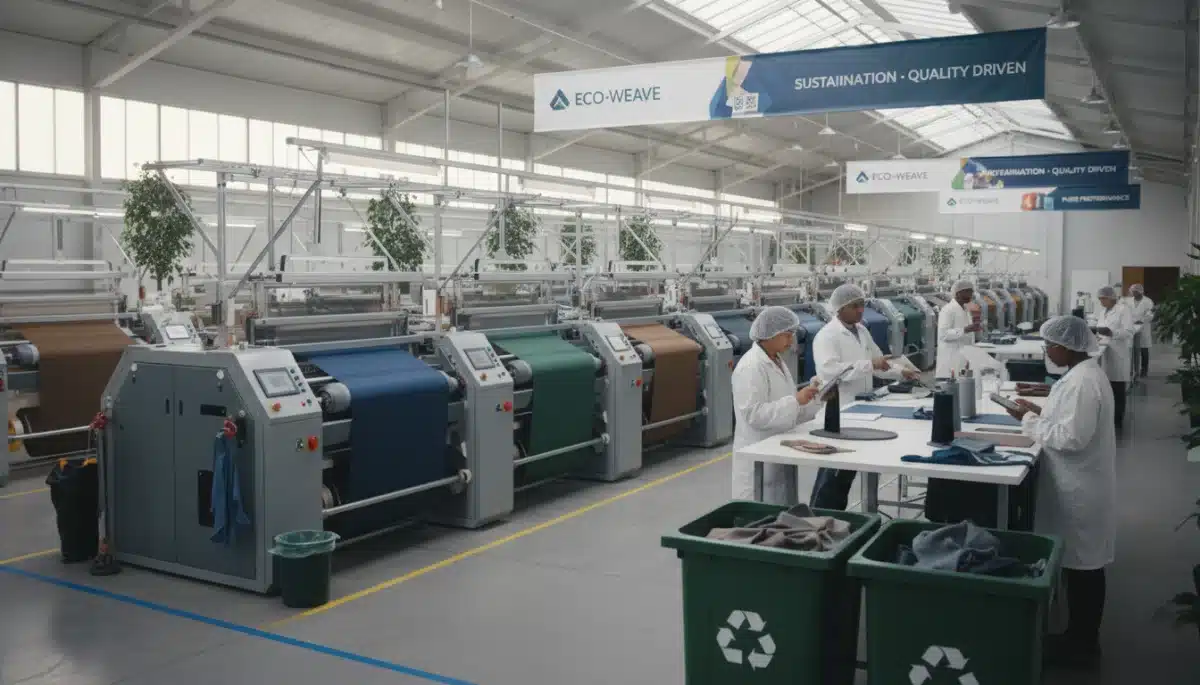

- Supplier Code of Conduct: Implementing and enforcing strict guidelines for all activewear suppliers.
- Third-Party Audits: Regular independent assessments of factories for social and environmental compliance.
- Worker Empowerment Programs: Initiatives to support and protect the rights of factory workers.
- Traceability Systems: Utilizing technology to track materials and products through the supply chain.
By prioritizing supply chain transparency and ethical practices, Shein aims to build a more responsible and trustworthy brand image for its activewear. This focus not only addresses critical social issues but also contributes to the overall sustainability of their operations, ensuring that activewear is produced with integrity.
Beyond 2026: A long-term vision
While 2026 marks an important milestone, Shein’s sustainable activewear initiative extends far beyond this initial target year. The company envisions a continuous journey towards greater sustainability, with ongoing efforts to innovate, improve, and adapt to emerging environmental challenges. This long-term vision is crucial for creating lasting change in the fast fashion industry.
Future goals include further reductions in carbon emissions, aiming for net-zero operations in the long run. This will involve continued investment in renewable energy, optimizing logistics to reduce transportation-related emissions, and exploring carbon capture technologies. The activewear segment, with its unique material and production demands, will play a significant role in achieving these broader environmental objectives.
Continuous improvement and future challenges
Another key aspect of the long-term vision is the circular economy model. Shein plans to explore initiatives such as take-back programs for activewear, encouraging consumers to return worn-out garments for recycling. This would help close the loop on textile waste, transforming discarded items into new resources.
- Circular Design Principles: Integrating recyclability and durability into activewear product design.
- Consumer Education: Empowering customers to make informed and sustainable choices.
- Partnerships for Innovation: Collaborating with industry experts and NGOs to drive sustainable solutions.
- Extended Producer Responsibility: Taking greater ownership of products throughout their lifecycle.
The journey towards full sustainability is complex and multifaceted, requiring sustained effort and adaptability. By setting a long-term vision that extends beyond 2026, Shein demonstrates a commitment to not just meeting targets, but to fundamentally transforming its business model for a more sustainable future in activewear.
Consumer impact and market trends
Shein’s sustainable activewear initiative is not only a response to environmental pressures but also a recognition of evolving consumer preferences. A growing segment of the market, particularly in the United States, is actively seeking sustainable and ethically produced apparel. This shift in consumer behavior presents both a challenge and an opportunity for fast fashion brands.
By offering a more sustainable activewear line, Shein aims to cater to this conscious consumer base, demonstrating that affordable fashion can also be responsible. This move could potentially attract new customers and enhance brand loyalty among existing ones who prioritize environmental values. The market for sustainable activewear is expanding rapidly, driven by increased awareness and demand for eco-friendly products.
Shaping the future of fast fashion
The initiative also has the potential to influence broader market trends. As a major player, Shein’s commitment to sustainable activewear could encourage other fast fashion brands to follow suit, accelerating the industry’s transition towards more responsible practices. This ripple effect could lead to a significant positive impact on the global textile supply chain.
Ultimately, the success of Shein’s sustainable activewear initiative will depend on its ability to deliver on its promises and communicate its efforts transparently to consumers. The combination of innovative materials, ethical production, and clear communication will be key to establishing itself as a leader in sustainable fast fashion activewear. This strategic pivot reflects a deeper understanding of modern market dynamics.
Challenges and opportunities for Shein
Embarking on a journey towards sustainability, particularly for a fast fashion giant like Shein, comes with its own set of challenges and opportunities. The scale of Shein’s operations means that even small changes can have a massive impact, but also that implementing these changes requires significant resources and strategic planning.
One of the primary challenges is overcoming the perception of fast fashion as inherently unsustainable. Shein must demonstrate genuine commitment and tangible results to build trust with consumers and critics alike. This involves transparent reporting, third-party verification, and continuous engagement with stakeholders.
Navigating the path to a greener future
Another challenge lies in maintaining affordability while transitioning to more expensive sustainable materials and ethical production methods. Shein’s business model is built on offering trendy, low-cost apparel, and finding ways to integrate sustainability without drastically increasing prices will be crucial for widespread adoption.
- Balancing Cost and Sustainability: Innovating to keep sustainable activewear affordable.
- Consumer Education: Informing customers about the value and benefits of sustainable products.
- Supply Chain Complexity: Managing a vast and intricate global supply chain for sustainable sourcing.
- Greenwashing Scrutiny: Avoiding superficial sustainability claims and focusing on measurable impact.
Despite these challenges, the opportunities are immense. By becoming a leader in sustainable activewear, Shein can redefine its brand image, tap into a growing ethical consumer market, and contribute meaningfully to environmental protection. This initiative positions Shein not just as a fashion retailer, but as a potential catalyst for industry-wide change.
| Key Initiative | Brief Description |
|---|---|
| Sustainable Materials | Focus on recycled polyester and bio-based fabrics for activewear. |
| Environmental Targets | Goals for reduced water usage and increased renewable energy by 2026. |
| Supply Chain Ethics | Ensuring transparency, fair wages, and safe conditions for workers. |
| Long-Term Vision | Commitment to circular economy and net-zero emissions beyond 2026. |
Frequently asked questions about Shein’s sustainable activewear
Shein aims to significantly increase the use of recycled and sustainable materials in its activewear, along with reducing water and energy consumption in production processes, setting measurable targets for environmental impact reduction.
The initiative emphasizes recycled polyester made from plastic bottles, organic cotton, and other bio-based fibers like Tencel. They are also exploring innovative dyeing techniques to minimize water usage and chemical waste in activewear production.
Shein is working to enhance visibility across its supply chain by implementing a strict Supplier Code of Conduct, conducting third-party audits, and developing traceability systems to ensure ethical labor and environmental standards are met throughout activewear manufacturing.
Beyond 2026, Shein plans to explore circular economy models, including take-back programs for activewear, further reduce carbon emissions towards net-zero operations, and continue collaborating with industry experts for ongoing innovation in sustainable practices.
This initiative aims to offer more sustainable activewear options to consumers, catering to a growing demand for eco-friendly fashion. It could also influence broader market trends, encouraging other fast fashion brands to adopt similar sustainable practices, fostering a more responsible industry.
Conclusion
Shein’s Sustainable Activewear Initiative, with its ambitious goals for 2026 and beyond, represents a critical pivot point for the fast fashion giant. By focusing on material innovation, supply chain transparency, and a long-term vision for circularity, Shein is attempting to reconcile its business model with increasing environmental and ethical demands. The success of this initiative will not only redefine Shein’s brand image but also potentially set a new benchmark for sustainability within the broader activewear market, demonstrating that even large-scale fashion can strive for a more responsible future.
