2026 US Sports Event Bag Policies: What You Need to Know
Anúncios
The latest 2026 US sports event policies on bag clearances and approved accessories reflect a continued emphasis on security and attendee experience, requiring careful review before attending.
Anúncios
Attending a major sporting event in the United States is an exhilarating experience, but understanding the US sports event policies regarding bag clearances and approved accessories is crucial for a smooth entry. With recent updates, navigating these rules can seem daunting, yet a little preparation ensures you won’t miss a moment of the action.
The evolving landscape of stadium security
The landscape of stadium security is constantly evolving, driven by a commitment to attendee safety and a desire to enhance the overall event experience. In 2026, fans can expect continued refinement of existing policies, focusing on efficiency without compromising security protocols. These changes often reflect broader trends in public safety and technological advancements.
Anúncios
Stadiums and event organizers are increasingly adopting a proactive stance, utilizing data analytics and crowd management strategies to anticipate potential issues. This includes everything from entry point design to the specific types of items permitted inside venues. The goal is to create a secure environment that feels welcoming rather than restrictive.
Technological advancements in security checks
Technological advancements play a significant role in shaping current security measures. New scanning technologies and digital ticketing systems are streamlining entry processes, reducing wait times, and enhancing the detection of prohibited items.
- Advanced X-ray Scanners: These devices offer quicker and more thorough inspections of bags, minimizing physical contact.
- Walk-Through Metal Detectors: Updated models provide faster screening for individuals, often without requiring removal of small personal items.
- Facial Recognition Software: While still a sensitive topic, some venues are exploring its use for enhanced security, particularly for repeat offenders or known threats.
The integration of these technologies aims to strike a balance between robust security and a seamless fan experience. Understanding these underlying shifts helps attendees appreciate why certain policies are in place, fostering a cooperative approach to event security.
In conclusion, the evolution of stadium security is a dynamic process, with 2026 marking a period of continued integration of technology and refined policy. These measures are designed to protect attendees and ensure that the focus remains on the excitement of the sport.
Understanding the 2026 clear bag policy specifics
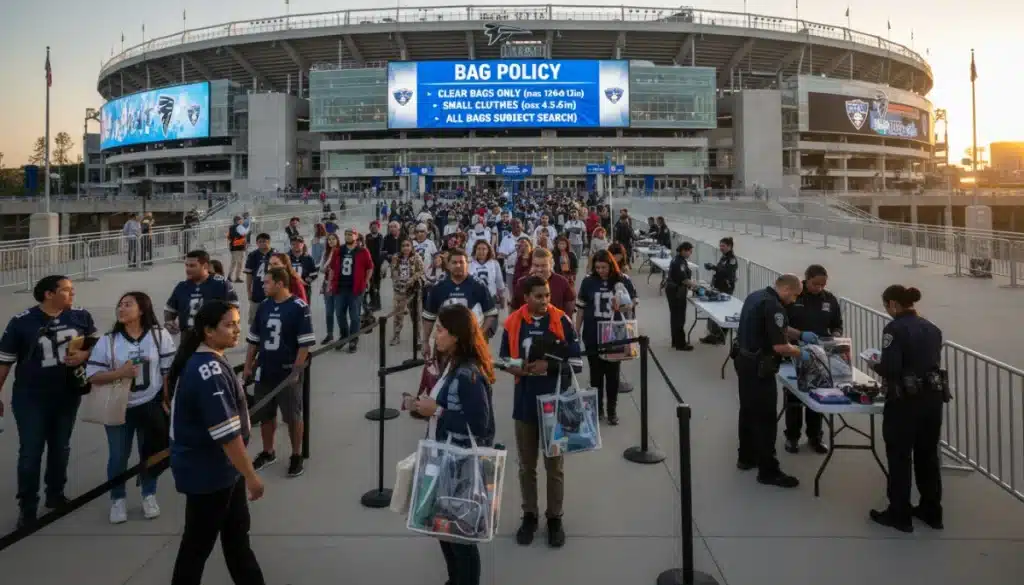
The clear bag policy has become a standard across most major US sports venues, and 2026 continues this trend with specific guidelines to ensure compliance. This policy is primarily designed to enhance security by allowing for quicker visual inspection of contents, thereby expediting entry into stadiums and arenas.
While the core principle remains consistent, individual venues may have slight variations in approved bag sizes and types. It’s always advisable to check the specific venue’s website before attending an event, as this information is typically updated frequently to reflect the latest regulations.
Approved clear bag dimensions and materials
Most venues adhere to a standard for clear bags, which typically includes specific dimensions and material requirements. These guidelines are crucial to avoid being turned away at the gate.
- Maximum Size: Generally, clear bags must not exceed 12″ x 6″ x 12″. This allows for sufficient space for essentials while remaining easy to inspect.
- Material: Bags must be made of clear plastic, vinyl, or PVC. Tinted or patterned clear bags are usually not permitted if they obscure the contents.
- Closures: Zippers, snaps, or flaps are typically allowed, as long as they do not hinder the clear visibility of the bag’s contents.
These specifications are not arbitrary; they are carefully chosen to balance security needs with the practicalities of carrying personal items. Fans are encouraged to invest in a compliant clear bag that can be used for multiple events.
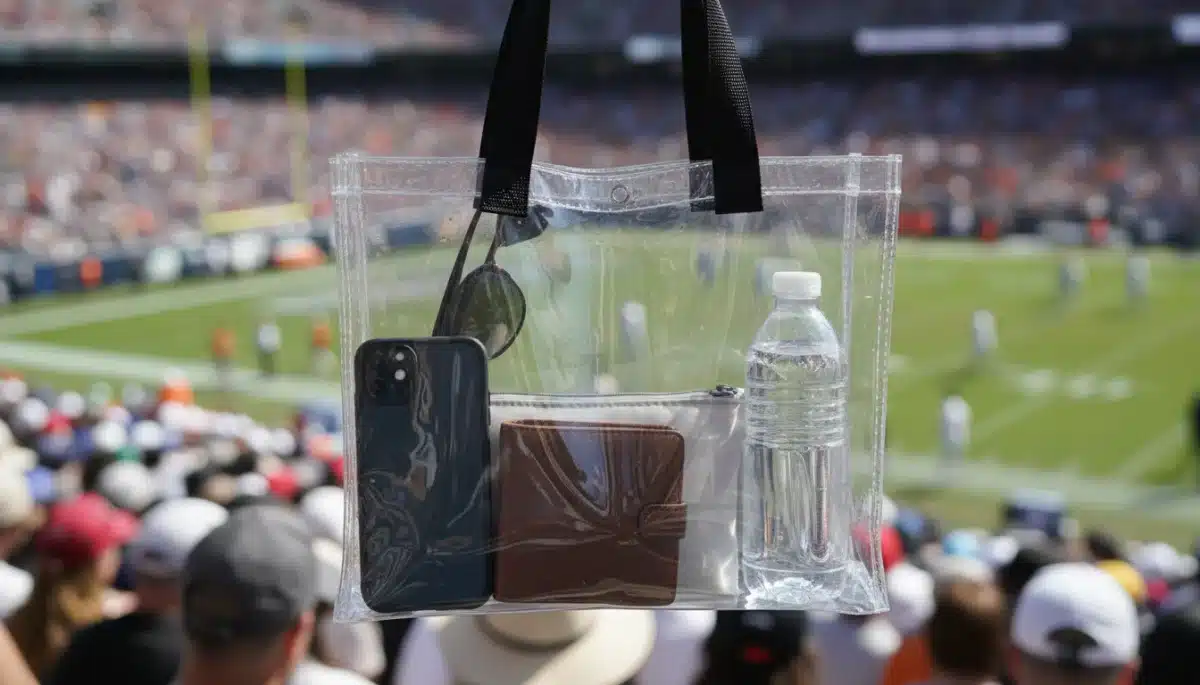
In addition to clear bags, small clutch purses or wallets, typically no larger than 4.5″ x 6.5″, are often permitted even if they are not clear. These small items are usually subject to a quick hand inspection. This allows attendees to carry essential personal items securely without needing them to be visible.
The clear bag policy, while sometimes seen as an inconvenience, is a cornerstone of modern stadium security. By understanding and adhering to these specific guidelines, fans contribute to a safer environment for everyone and ensure a smooth entry process.
Permitted and prohibited accessories for 2026
Beyond bags, understanding the policies on specific accessories is vital for a hassle-free entry into US sports events in 2026. These policies aim to maintain safety, prevent disruptions, and ensure a comfortable experience for all attendees. Items are generally categorized as permitted, restricted, or prohibited, with clear guidelines for each.
Event organizers regularly review and update these lists, often based on incident reports, security assessments, and feedback. Therefore, even if you’ve attended an event at a particular venue before, it’s always wise to check their most current policy on accessories.
Commonly permitted items
Many everyday items are generally allowed, provided they don’t pose a security risk or disrupt the event. These often include:
- Small personal electronics: Cell phones, small cameras (without detachable lenses larger than 6 inches), and portable chargers are usually fine.
- Medical necessities: Prescription medications, medical devices, and other essential health items are typically allowed, often requiring a brief explanation to security personnel.
- Baby care items: Diapers, wipes, and formula in a clear bag or small diaper bag are usually permitted when accompanied by an infant.
- Empty reusable water bottles: Many venues encourage hydration and have water stations, allowing empty bottles to be filled inside.
These items are generally considered essential for attendee comfort and safety, and their allowance reflects a balance between security and practical needs.
Prohibited and restricted items to avoid
Conversely, a range of items are consistently prohibited or heavily restricted due to safety concerns or potential disruption. These include:
- Weapons of any kind: Firearms, knives, pepper spray, and any object that could be used as a weapon are strictly forbidden.
- Large banners or signs: While small, handheld signs are often allowed, oversized banners that obstruct views or contain offensive language are prohibited.
- Outside food and beverages: With few exceptions (e.g., medical needs), outside food and drinks are typically not allowed to support venue concessions and prevent contamination.
- Professional camera equipment: Large lenses, tripods, and other professional photography gear are usually restricted to credentialed media.
- Noise-making devices: Air horns, whistles, and other items designed to create excessive noise are generally prohibited to maintain a respectful atmosphere.
Adhering to these guidelines on permitted and prohibited accessories is essential for a smooth entry and an enjoyable event experience. Always check the specific venue’s policy for the most accurate and up-to-date information.
Navigating entry points: tips for a smooth process
Entering a major sports event can sometimes feel like a logistical challenge, but with the right approach, you can navigate entry points efficiently and smoothly. The 2026 US sports event policies are designed to streamline this process, and knowing a few key tips can significantly reduce your wait time and stress.
Preparation is paramount. Before even leaving for the venue, ensure you have all necessary items, adhere to bag policies, and understand your ticket information. This proactive stance helps both you and the security staff.
Pre-arrival checklist for attendees
A simple checklist can make a world of difference for a quick and easy entry. Consider these points before heading to the stadium:
- Digital Tickets Ready: Have your mobile tickets loaded on your phone with the screen brightness up. If using physical tickets, have them easily accessible.
- Bag Inspection Preparedness: Ensure your clear bag meets all size and content requirements. Keep prohibited items at home.
- Minimal Personal Items: Only bring what’s essential. The fewer items you have, the quicker your personal screening will be.
- Review Venue Map: Know which gate corresponds to your ticket section to avoid unnecessary walking or confusion.
Following this checklist helps you align with the efficient processes venues have put in place. It also demonstrates respect for the security personnel and your fellow attendees.
What to expect at the security checkpoint
At the security checkpoint, expect a systematic process. You will typically be asked to:
- Present your ticket: Have it ready for scanning.
- Open your bag: Security personnel will perform a visual inspection.
- Walk through a metal detector: Follow instructions regarding keys, phones, and other small items.
- Undergo a pat-down (if necessary): This is rare but can occur if an alarm is triggered or for random screenings.
Remain calm and cooperative throughout the process. Security staff are there to ensure everyone’s safety, and a positive attitude from attendees contributes to a more efficient flow. Any questions or concerns should be addressed directly to the security personnel on site.
By being prepared and understanding what to expect at entry points, attendees can contribute to a smoother and faster process for everyone. These tips, combined with adherence to the 2026 US sports event policies, ensure you spend less time in line and more time enjoying the event.
Special considerations for families and medical needs
Attending a US sports event in 2026 with family members or individuals requiring medical accommodations involves specific considerations. While security policies are in place for everyone, venues typically offer provisions to ensure that these groups can also enjoy the event comfortably and safely. Understanding these special considerations beforehand can alleviate potential stress and facilitate a smoother entry.
It’s always recommended to contact the venue’s guest services or accessibility department in advance if you have specific concerns or require particular assistance. This proactive communication can help ensure that your needs are met upon arrival.
Policies for infants and young children
Families with infants and young children often have additional items that are necessary for their care. Most venues are accommodating of these needs, but specific guidelines apply:
- Diaper Bags: While larger than standard clear bags, diaper bags are generally permitted when accompanied by an infant or toddler. They are subject to thorough inspection.
- Strollers: Stroller policies vary by venue. Some allow them but require them to be checked at guest services, while others may permit smaller, collapsible strollers to be brought to designated seating areas.
- Formula and Baby Food: These items are typically allowed in reasonable quantities, often with the requirement that they are in clear, sealed containers.
Always verify the specific venue’s policy regarding these items, as rules can differ. Planning ahead can prevent surprises at the gate and ensure a comfortable experience for the youngest fans.
Accommodating medical equipment and medications
Individuals with medical conditions requiring specific equipment or medications are also accommodated under event policies. However, proper procedures must be followed:
- Prescription Medications: These are generally allowed, but it’s advisable to keep them in their original containers with prescription labels. Carrying a doctor’s note can also be helpful.
- Medical Devices: Items such as oxygen tanks, insulin pumps, or mobility aids are permitted. Security staff may need to visually inspect these devices.
- Dietary Restrictions: If you have severe allergies or specific dietary needs that cannot be met by venue concessions, some venues may allow you to bring in a small amount of medically necessary food, often requiring a doctor’s note.
When in doubt, always reach out to the venue’s accessibility services prior to your visit. They can provide precise instructions and ensure that necessary accommodations are in place, allowing you to focus on the game without worry.
By understanding and utilizing these special considerations, families and individuals with medical needs can confidently navigate the 2026 US sports event policies, ensuring a positive and inclusive experience for everyone.
The impact of policy changes on fan experience and safety
The continuous evolution of US sports event policies, particularly those related to bag clearances and approved accessories, has a profound impact on both fan experience and overall safety. While new regulations can sometimes be perceived as an inconvenience, their primary objective is to create a more secure and enjoyable environment for everyone attending live events.
These policy changes are not arbitrary; they are the result of extensive security assessments, collaboration with law enforcement, and a commitment to adapting to contemporary security challenges. The ultimate goal is to strike a delicate balance between robust protection and maintaining the excitement and accessibility of sports entertainment.
Enhanced safety and security measures
The most direct impact of these policy updates is the enhancement of safety and security. By standardizing bag policies and restricting certain items, venues significantly reduce the risk of prohibited objects entering the stadium. This layered approach to security contributes to a safer environment, allowing fans to feel more secure and focus on the game.
- Deterrence of threats: Clear bag policies and thorough screenings act as a deterrent to potential threats, making it more difficult for individuals with malicious intent to enter.
- Faster emergency response: A more controlled environment allows for quicker identification and response to any incidents, should they occur.
- Peace of mind for attendees: Knowing that comprehensive security measures are in place can significantly improve a fan’s sense of safety and enjoyment.
These measures are a testament to the commitment of event organizers to prioritize the well-being of their attendees above all else.
Streamlined entry and improved flow
Beyond safety, well-implemented policies can also lead to a more streamlined entry process. While initially, new rules might cause some friction, over time, as fans become accustomed to them, entry becomes more efficient. Clear bag policies, for example, allow security personnel to visually inspect contents much faster than opaque bags, reducing bottlenecks at gates.
This improved flow means less time waiting in line and more time enjoying the pre-game atmosphere, visiting concessions, or finding your seats. It enhances the overall fan experience by minimizing frustration and maximizing enjoyment of the event itself.
Ultimately, the impact of these policy changes is multifaceted. While they demand a degree of adaptation from fans, they contribute significantly to creating safer, more efficient, and ultimately more enjoyable sports events. The 2026 US sports event policies are a continuation of this commitment to excellence in event management.
Future trends in sports event security
As we look beyond 2026, the future of sports event security promises even further innovation and integration of technology. The drive to enhance safety and improve the fan experience will continue to propel advancements, shaping how attendees interact with venues and security protocols. These trends are often influenced by emerging technologies, evolving threat landscapes, and a desire for greater efficiency.
The focus will likely shift towards more personalized and less intrusive security measures, leveraging data and smart systems to create a more seamless journey from arrival to departure. This proactive approach aims to anticipate needs and mitigate risks before they become issues.
Biometric identification and AI integration
One of the most significant future trends is the potential for widespread adoption of biometric identification. This could include:
- Facial Recognition for Entry: Opt-in systems allowing swift, ticketless entry for registered attendees.
- Fingerprint or Iris Scans: Used for VIP access or secure areas within the venue.
- AI-Powered Surveillance: Advanced AI systems capable of detecting unusual behavior or potential threats in real-time, alerting security personnel.
While privacy concerns will undoubtedly be a central discussion point, the efficiency and enhanced security offered by biometrics and AI are compelling drivers for their integration. The aim is to create ‘frictionless’ security where legitimate attendees move through checkpoints almost unnoticed.
Smart venues and integrated security platforms
The concept of ‘smart venues’ will become more prevalent, where various security systems are interconnected and managed through a central platform. This integration will allow for:
- Real-time Crowd Monitoring: Sensors and cameras providing data on crowd density and movement, helping to prevent bottlenecks and manage evacuations if necessary.
- Dynamic Security Deployment: Security personnel can be deployed more effectively based on real-time data and predictive analytics.
- Personalized Alerts: Fans could receive personalized alerts about gate closures, security updates, or even lost-and-found items directly to their mobile devices.
These integrated platforms will create a comprehensive security ecosystem, enhancing responsiveness and overall event safety. The future of sports event security is likely to be characterized by a blend of cutting-edge technology and a continued human touch, ensuring both safety and an unparalleled fan experience.
In conclusion, future trends in sports event security point towards a more technologically advanced and integrated approach. These innovations, while raising new questions, are geared towards making live sports events safer, more efficient, and even more enjoyable for fans.
| Key Policy Area | Brief Description of 2026 Policy |
|---|---|
| Clear Bag Mandate | Standardized 12″x6″x12″ clear plastic bags are required for entry at most venues. |
| Small Clutch Exception | Small non-clear clutches (approx. 4.5″x6.5″) are generally permitted for essential items. |
| Prohibited Items | Weapons, large banners, outside food/drink (with medical exceptions), and professional cameras are typically banned. |
| Medical/Family Accommodations | Provisions for diaper bags, medical devices, and prescription medications are available with proper verification. |
Frequently asked questions about 2026 sports event policies
The standard dimensions for approved clear bags at most US sports events in 2026 are 12 inches by 6 inches by 12 inches. These bags must be made of clear plastic, vinyl, or PVC to allow for easy visual inspection by security personnel upon entry to the venue.
Yes, typically small clutch purses or wallets that are not clear are allowed, provided they do not exceed a size of approximately 4.5 inches by 6.5 inches. These small items are usually subject to a quick hand inspection by security staff at the entry gates.
Generally, outside food and beverages are prohibited at US sports events in 2026. However, exceptions are often made for medical necessities, such as prescription medications or specific dietary needs, and baby formula/food for infants. Always check the specific venue’s policy.
Consistently prohibited items include weapons of any kind, large banners or signs that obstruct views, professional camera equipment (unless credentialed), and noise-making devices like air horns or whistles. It’s crucial to review the specific venue’s list of prohibited items before attending.
To ensure quick entry, have your digital tickets ready, ensure your clear bag meets all policy requirements, and minimize personal items. Also, know your designated entry gate. Being prepared and cooperative with security personnel significantly speeds up the process for everyone.
Conclusion
The Recent Updates: The Latest 2026 US Sports Event Policies on Bag Clearances and Approved Accessories underscore a continued commitment to safety and an enhanced fan experience. By understanding and adhering to these guidelines, attendees play a crucial role in ensuring smooth entry and an enjoyable event for all. From clear bag mandates to specific rules on accessories, preparation is key to navigating these policies effectively. As technology evolves, so too will security measures, promising an even more streamlined and secure future for live sports events.
