Top 5 Performance Fabrics for 2026 Fitness Wear: Durability & Comfort
Anúncios
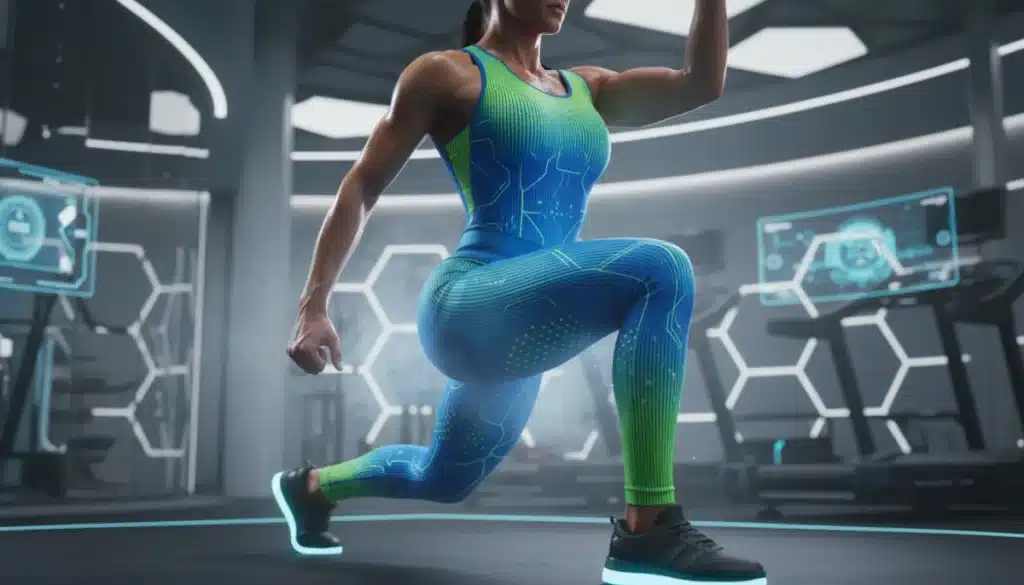
The top 5 performance fabrics for 2026 fitness wear are revolutionizing active apparel by integrating cutting-edge technology for enhanced durability and comfort.
As we stride into 2026, the landscape of fitness wear is undergoing a remarkable transformation, driven by innovations in textile science. Understanding the top 5 performance fabrics for 2026 fitness wear: an insider’s review of durability and comfort is essential for anyone serious about their active lifestyle, whether you’re a seasoned athlete or a casual gym-goer. These advancements promise not just aesthetic appeal, but a profound impact on performance, longevity, and the overall experience of movement.
Anúncios
The rise of smart textiles in fitness apparel
The evolution of fitness wear is no longer just about aesthetics; it’s deeply rooted in the science of textiles. Smart textiles, integrating technology directly into the fabric, are becoming the cornerstone of high-performance activewear. This shift means garments are now designed to do more than just cover; they actively enhance your workout experience.
From temperature regulation to biometric tracking, these intelligent fabrics are setting new benchmarks. They offer a blend of functionality and comfort that was once unimaginable, paving the way for truly adaptive clothing. This integration of tech and textile is redefining what we expect from our workout gear, pushing the boundaries of innovation.
Anúncios
Beyond basic wicking: advanced moisture management
Moisture-wicking has been a standard for years, but 2026 brings fabrics that manage sweat with unprecedented efficiency. These new materials don’t just move moisture away; they accelerate evaporation, keeping you drier and more comfortable during intense sessions. The engineering behind these fabrics involves complex fiber structures and surface treatments.
- Hydrophobic and hydrophilic blends: Strategically combining fibers to repel and attract moisture, creating a rapid transport system.
- Capillary action enhancement: Micro-channels within the fabric are designed to draw sweat across a larger surface area for quicker drying.
- Odor control integration: Many of these fabrics also incorporate antimicrobial agents to prevent odor build-up, ensuring freshness.
The comfort derived from superior moisture management cannot be overstated. It reduces chafing, prevents chills after intense workouts, and allows the body to maintain an optimal temperature, crucial for sustained performance. This level of sophistication transforms a simple workout shirt into a high-performance tool.
Fabric 1: Bio-synthetic adaptive mesh
Bio-synthetic adaptive mesh is emerging as a frontrunner for 2026, offering a unique combination of environmental consciousness and peak performance. This fabric is engineered from a blend of recycled polymers and plant-based fibers, creating a material that is both durable and incredibly responsive to the body’s needs. Its structure allows for dynamic ventilation.
The adaptive nature of this mesh means it can subtly adjust its breathability based on temperature and activity levels. This is achieved through microscopic pores that expand or contract, providing targeted airflow exactly when and where it’s needed most. It’s a true ‘second skin’ experience.
Durability is a key factor, with rigorous testing showing exceptional resistance to abrasion and stretching. This ensures garments made from bio-synthetic adaptive mesh maintain their shape and integrity even after countless washes and intense workouts. The comfort aspect is equally impressive, with a soft, non-restrictive feel against the skin.
Fabric 2: Carbon-infused compression weave
Carbon-infused compression weave represents a significant leap in performance textiles, particularly for those seeking enhanced muscle support and recovery. The integration of carbon fibers into the weave provides a unique combination of strength, lightweight properties, and targeted compression. This isn’t just about tightness; it’s about strategic support.
The carbon elements help to stabilize muscles, reducing vibration and fatigue during high-impact activities. This can lead to improved endurance and a faster recovery time post-workout. The fabric’s structure also promotes better blood circulation, a critical factor in muscle oxygenation and waste removal.
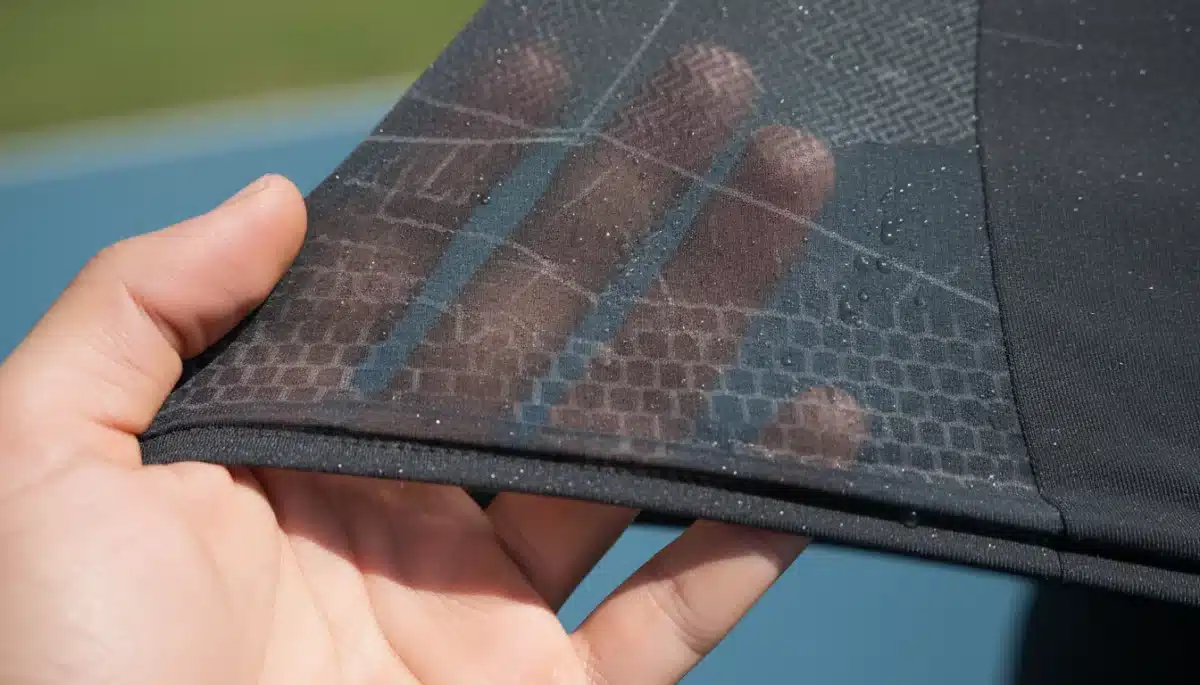
Despite its compressive nature, the fabric remains surprisingly comfortable and breathable. Advanced weaving techniques ensure that airflow is maintained, preventing overheating. The durability of carbon fibers also means these garments are built to last, resisting pilling and maintaining their supportive properties over time.
Fabric 3: Graphene-enhanced thermal regulation
Graphene-enhanced fabrics are poised to redefine thermal regulation in fitness wear for 2026. Graphene, a single layer of carbon atoms arranged in a hexagonal lattice, is known for its incredible strength and thermal conductivity. When integrated into textiles, it creates garments that can intelligently manage body temperature.
Optimizing body temperature in any environment
These fabrics excel at both heating and cooling, adapting to the wearer’s needs. In colder conditions, graphene can help trap and distribute body heat more efficiently, providing warmth without bulk. Conversely, in warmer environments, it can dissipate heat, helping to keep the wearer cool. This dual functionality is a game-changer for outdoor athletes and those who train in varied conditions.
- Superior heat dissipation: Graphene’s high thermal conductivity allows for rapid heat transfer away from the body.
- Efficient heat retention: When needed, the fabric can also act as an insulator, trapping warmth close to the skin.
- Lightweight and flexible: Despite its strength, graphene integration does not compromise the fabric’s lightness or stretch, ensuring maximum comfort and freedom of movement.
The durability of graphene-enhanced fabrics is another significant advantage. They are highly resistant to wear and tear, making them a long-lasting investment for serious fitness enthusiasts. The comfort factor is maintained through soft textures and ergonomic designs that move with the body.
Fabric 4: Recycled nylon with microbial resistance
Sustainability meets hygiene in recycled nylon with microbial resistance, a powerful contender for 2026 fitness wear. This fabric addresses two critical concerns: environmental impact and odor control. By utilizing recycled nylon, it reduces textile waste and the demand for new petroleum-based resources, aligning with a growing eco-conscious consumer base.
The microbial resistance is integrated at the fiber level, meaning it’s not a surface treatment that washes off over time. This permanent protection inhibits the growth of bacteria and other microbes that cause unpleasant odors, keeping garments fresh for longer. This feature is particularly beneficial for high-intensity workouts and extended wear.
Beyond its eco-friendly and hygienic properties, recycled nylon offers excellent stretch, recovery, and durability. It provides a smooth, supportive feel, making it ideal for leggings, sports bras, and other form-fitting activewear. Its resistance to chlorine and UV radiation also makes it suitable for swimwear and outdoor activities.
Fabric 5: Algae-based breathable knits
Algae-based breathable knits are an exciting innovation, leveraging biotechnology to create sustainable and high-performing textiles. This fabric is derived from algae biomass, offering a renewable and biodegradable alternative to traditional synthetic fibers. It represents a significant step towards truly circular fashion in fitness wear.
Sustainable comfort and performance
The cellular structure of algae-derived fibers naturally creates a breathable fabric with excellent moisture management properties. It feels soft against the skin, providing a comfort level comparable to natural fibers, while still delivering the performance benefits expected from modern activewear. The breathability helps regulate body temperature, preventing overheating during exercise.
- Renewable resource: Algae grows rapidly and requires minimal resources, making it a highly sustainable raw material.
- Biodegradable: Garments made from algae-based knits can decompose naturally at the end of their lifecycle, reducing landfill waste.
- Soft hand feel: The inherent properties of algae fibers result in a luxurious, soft texture that enhances wearer comfort.
While still a newer technology, the durability of algae-based knits is rapidly improving, with ongoing research focused on enhancing their strength and resilience. This fabric is set to become a staple for brands committed to both performance and planetary health, offering a guilt-free option for eco-conscious athletes.
The future of fitness wear: blending performance with purpose
The advancements in performance fabrics for 2026 are not just about individual features; they represent a holistic approach to fitness wear design. The integration of durability, comfort, and increasingly, sustainability, is creating garments that support athletes not only in their physical endeavors but also in their values. This new generation of activewear is engineered to withstand the rigors of intense training while providing an unparalleled level of comfort and adaptability.
We are moving towards a future where fitness apparel is an extension of the athlete, intuitively responding to their needs and contributing to their overall well-being. The focus on smart textiles, bio-synthetics, and eco-friendly alternatives signals a mature industry that understands its impact and its potential to innovate for a better future. The top 5 performance fabrics highlighted here are merely a glimpse into the exciting developments ahead, promising even more revolutionary materials in the years to come.
| Fabric Type | Key Benefits |
|---|---|
| Bio-synthetic Adaptive Mesh | Dynamic ventilation, eco-friendly, high durability, responsive comfort. |
| Carbon-infused Compression | Muscle support, reduced fatigue, enhanced recovery, strong and lightweight. |
| Graphene-enhanced Thermal | Adaptive temperature regulation, superior heat transfer, lightweight. |
| Algae-based Breathable Knits | Sustainable, biodegradable, natural breathability, soft hand feel. |
Frequently asked questions about fitness fabrics
Performance fabrics are engineered with specific properties to enhance athletic activity. This includes advanced moisture-wicking, breathability, durability, stretch, and often features like antimicrobial treatment or thermal regulation. They are designed to support the body, regulate temperature, and withstand rigorous use.
Bio-synthetic fabrics often blend recycled materials with plant-based components, reducing reliance on virgin fossil fuels and textile waste. For instance, using recycled polymers and algae-derived fibers minimizes environmental impact while maintaining high performance standards, promoting a circular economy in fashion.
Yes, carbon-infused fabrics can aid recovery by providing targeted compression that supports muscles and reduces vibration during exercise. This can lead to decreased muscle fatigue and soreness, as well as improved blood circulation, which helps in oxygen delivery and waste product removal post-workout.
Graphene-enhanced fabrics offer superior thermal regulation, adapting to keep you warm in cold conditions and cool in heat. Its high conductivity allows for efficient heat dissipation, while its strength contributes to garment durability. It’s also lightweight and flexible, enhancing overall comfort during activity.
Microbial resistance is crucial for hygiene and comfort. It inhibits the growth of odor-causing bacteria on the fabric, keeping your fitness wear fresher for longer and reducing the need for frequent washing. This also contributes to the longevity of the garment by preventing fabric degradation from microbial activity.
Conclusion
The evolution of fitness wear, spearheaded by innovations in performance fabrics, is set to redefine our active experiences in 2026. From bio-synthetic adaptive meshes that breathe with you to graphene-enhanced textiles that master temperature, the focus remains on enhancing durability, comfort, and sustainability. These cutting-edge materials are not just about improving individual workouts; they represent a broader commitment to advanced functionality and environmental responsibility, ensuring that your fitness journey is supported by the very best in textile technology.
